
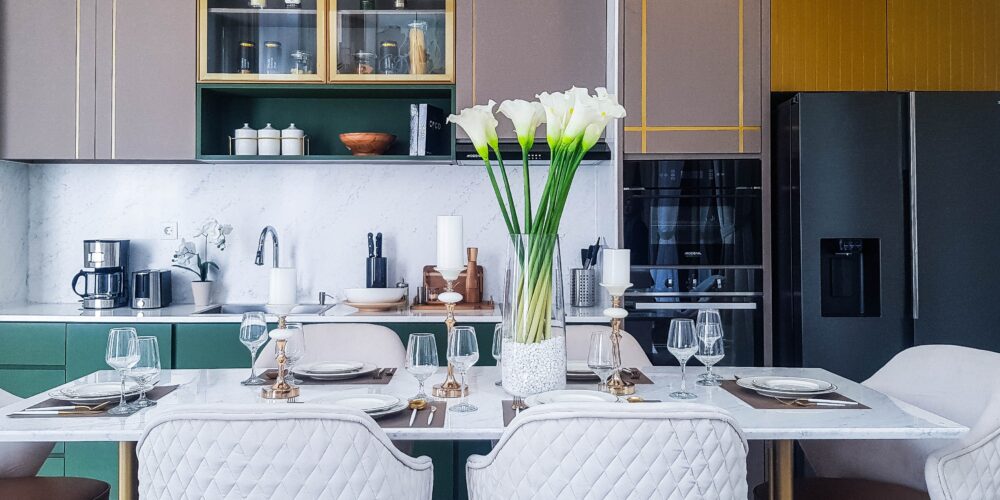
Modern Kitchen Multigenerational Spaces: Designing for All Ages
In the realm of contemporary kitchen design, the concept of multigenerational spaces has emerged as a guiding principle, revolutionizing the way we approach kitchen functionality and aesthetics. The Modern Kitchen Multigenerational Spaces concept goes beyond conventional kitchen layouts—it embraces a philosophy that celebrates diversity, inclusivity, and the seamless coexistence of different generations. In this blog post, we will explore the principles and considerations of designing a Modern Kitchen Multigenerational Space, revealing how it transforms kitchens into harmonious environments that cater to the needs of every member of the family, regardless of their age or lifestyle.
1. Adaptive Design Elements
At the core of Modern Kitchen Multigenerational Spaces are adaptive design elements that allow for the comfortable use of the kitchen by individuals of all ages. These elements take into account the unique requirements of each generation, ensuring that the kitchen remains accessible and functional for everyone.
2. Ergonomics and Accessibility
Ergonomics play a pivotal role in designing a kitchen that accommodates different generations. Countertop heights, cabinet placements, and appliance accessibility are meticulously considered to ensure comfort and ease of use for both young children and elderly family members.
3. Versatile Workspaces
Modern Kitchen Multigenerational Spaces feature versatile workspaces that can be easily adapted to different tasks and activities. From homework stations for children to comfortable seating areas for grandparents, these flexible zones allow each generation to engage in various activities simultaneously.
4. Open Layouts
An open layout is a hallmark of a multigenerational kitchen. It encourages interaction and communication among family members of all ages, promoting a sense of togetherness while cooking, dining, and socializing.
5. Inclusive Storage Solutions
The design of a multigenerational kitchen includes inclusive storage solutions that cater to the diverse needs of family members. Pull-out shelves, adjustable racks, and accessible drawers ensure that items are within reach for everyone, regardless of their physical abilities.
6. Safety Measures
Safety is a paramount consideration in a multigenerational kitchen. Rounded edges, non-slip flooring, and proper lighting contribute to a secure environment for young children and elderly family members.
7. Technological Integration
Modern Kitchen Multigenerational Spaces seamlessly integrate technology to enhance convenience and connectivity for all generations. Smart appliances, interactive screens, and voice-activated assistants contribute to a technologically advanced kitchen experience.
8. Age-Appropriate Seating
The choice of seating in a multigenerational kitchen is carefully tailored to different age groups. High chairs for infants, comfortable dining chairs for adults, and supportive seating for seniors ensure that everyone enjoys a comfortable and enjoyable dining experience.
9. Wellness-Focused Design
A wellness-focused design philosophy is inherent in a multigenerational kitchen. Natural lighting, indoor plants, and air purification systems create a healthy and rejuvenating environment for family members of all ages.
10. Cultural Sensitivity
Modern Kitchen Multigenerational Spaces celebrate cultural diversity by accommodating various culinary traditions and preferences. These spaces are designed to respect and honor different cooking techniques and rituals.
11. Family Bonding
Ultimately, a Modern Kitchen Multigenerational Space serves as a hub for family bonding and shared experiences. It is a place where generations come together to cook, learn, dine, and create lasting memories.
12. Consideration for Special Needs
In the design of modern kitchen multigenerational spaces, it is essential to fully consider the needs of individuals with disabilities or limited mobility. Designing an accessible kitchen layout with features such as ramps and handrails ensures that wheelchair users can easily access the kitchen area. Proper adjustments to cabinet and drawer heights, as well as switch placements, make it convenient for everyone to use kitchen facilities.
13. Promoting Healthy Eating
Modern kitchen multigenerational spaces can also serve as a hub for promoting healthy eating habits. Setting up a small vegetable and herb garden within the kitchen encourages family members to cultivate their own organic ingredients. This not only provides fresh produce but also fosters awareness and interest in healthy foods among family members.
14. Fusion of Art and Design
Art and design play a crucial role in creating a unique ambiance within modern kitchen multigenerational spaces. Incorporating artworks, murals, or decorative items in the kitchen space adds aesthetic harmony. Consider selecting themes that resonate with the interests of family members, turning the kitchen into a space for creative expression and artistic appreciation.
15. Education and Interaction
Education and interaction are integral parts of modern kitchen multigenerational spaces, fostering participation among family members. Parents can engage in cooking classes with their children, sharing knowledge and skills about healthy eating. Elderly family members can also share their cooking experiences and traditional recipes with the younger generation. Through active involvement, stronger bonds are formed between family members.
16. Upholding Family Traditions
Upholding family traditions is a cherished experience within modern kitchen multigenerational spaces. Passing down ancestral recipes, cooking techniques, and stories not only satisfies the palate but also preserves emotional connections. Setting up a display area for traditional recipes in the kitchen showcases the family’s history and culture.
17. Integration of Smart Appliances
The integration of smart appliances is another notable feature of modern kitchen multigenerational spaces. Smart appliances enable easy control for family members of different age groups. Smart ovens, refrigerators, and coffee makers can be remotely controlled through smartphone apps, allowing each individual to use kitchen appliances based on their preferences.
18. Gathering Place for Family Events
Modern kitchen multigenerational spaces can also serve as an ideal gathering place for family events. With the right layout and furniture choices, the kitchen can accommodate multiple generations participating in cooking and dining. Large dining tables and comfortable seating can accommodate family members and friends, creating a space for enjoying delicious meals and quality time together.
19. Inspiring Creativity
A multigenerational kitchen can inspire creativity and innovation among family members. Encouraging collaborative cooking sessions where different generations contribute their ideas and skills can lead to the creation of unique and delicious dishes. This fosters a sense of unity and accomplishment, enhancing the overall kitchen experience.
Conclusion
In conclusion, designing a modern kitchen that caters to multiple generations involves careful consideration of diverse needs, preferences, and lifestyles. By incorporating inclusive features, promoting healthy habits, and fostering interaction, a multigenerational kitchen becomes a dynamic and harmonious space where family members of all ages can come together to cook, share stories, and create lasting memories. With the right design elements and thoughtful planning, a modern kitchen can truly be the heart of a multigenerational home.