
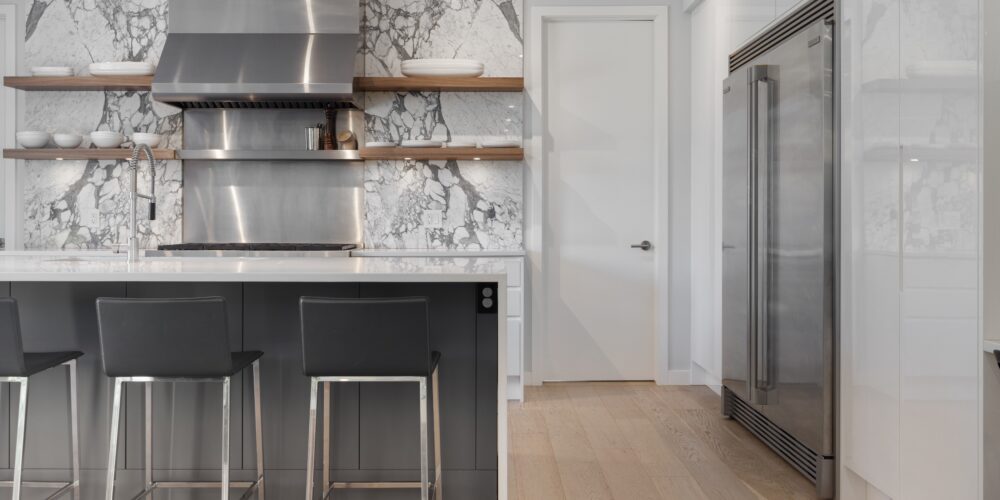
Modern Kitchen Future-Proofing: Designing for Tomorrow’s Kitchen
In the ever-evolving landscape of design and technology, the concept of future-proofing has gained significant importance. As we look ahead to the kitchens of tomorrow, it’s crucial to create spaces that seamlessly accommodate the advancements of the future. Modern kitchen future-proofing is not just about incorporating the latest gadgets, but about designing with flexibility, adaptability, and longevity in mind. In this article, we’ll explore the key principles of future-proofing your kitchen, ensuring that it remains functional, stylish, and relevant for years to come.
Adaptive Layouts
Future-proofing your kitchen starts with a versatile layout that can evolve with changing needs and lifestyle trends. Opt for an open and flexible floor plan that allows for easy reconfiguration. Consider movable kitchen islands, adjustable shelving, and modular cabinets that can be rearranged to accommodate new appliances, technology, or storage solutions. An adaptable layout ensures that your kitchen remains a dynamic and functional space, ready to embrace whatever the future holds.
Smart Infrastructure
The future of kitchens is undeniably intertwined with technology. Incorporate smart infrastructure such as built-in wiring, charging stations, and wireless connectivity to seamlessly integrate the latest smart appliances and devices. Design your kitchen with hidden conduits and outlets that can accommodate future technology upgrades without disrupting the aesthetics. By investing in a well-connected foundation, you’re poised to effortlessly integrate the next generation of kitchen innovations.
Modular Cabinetry
Modular cabinetry is a cornerstone of future-proofing your kitchen. These customizable units can be easily reconfigured or replaced as your needs evolve. With modular cabinets, you can adapt your storage solutions to accommodate new utensils, appliances, or cooking techniques. Furthermore, they allow for efficient repairs or replacements, minimizing disruptions and expenses in the future.
Sustainable Materials
Sustainability is a key consideration for the kitchens of tomorrow. Choose eco-friendly materials for countertops, cabinetry, and flooring that are durable, non-toxic, and environmentally responsible. These materials not only contribute to a healthier living environment but also withstand the test of time, ensuring that your kitchen remains both stylish and sustainable for years to come.
Neutral Color Palette
While trends in color and decor may change, a neutral color palette remains timeless and adaptable. Opt for neutral tones for your kitchen’s foundational elements, such as cabinets, countertops, and backsplashes. This provides a versatile canvas that can easily accommodate evolving design trends by incorporating new accessories, textiles, or accent colors.
Concealed Technology
Incorporate technology in a way that seamlessly integrates into the design, rather than dominating it. Concealed charging stations, hidden outlets, and retractable screens ensure that your kitchen maintains a sleek and uncluttered appearance while still being fully equipped for modern technology.
Universal Design
Future-proofing also means designing with inclusivity in mind. Consider universal design principles that cater to users of all ages and abilities. Features like adjustable countertops, easy-grip handles, and varied counter heights ensure that your kitchen remains accessible and functional for everyone, regardless of any physical changes or challenges.
Energy Efficiency
The kitchens of tomorrow are energy-efficient and environmentally conscious. Choose energy-efficient appliances, LED lighting, and smart thermostats to reduce your carbon footprint and lower energy bills. Energy-efficient design not only benefits the environment but also safeguards your kitchen against fluctuations in energy regulations and costs.
Multi-Functional Spaces
Anticipate the changing dynamics of how we use our kitchens. Design multi-functional spaces that accommodate a range of activities beyond cooking, such as remote working, entertaining, and relaxation. A kitchen that seamlessly transitions between various functions ensures its relevance and usability as our lifestyles evolve.
Collaborative Design
Future-proofing is not a solo endeavor—it requires collaboration with architects, designers, and technology experts. Engage professionals who are well-versed in the latest trends and innovations to ensure that your kitchen design is forward-thinking and adaptable to emerging technologies.
Conclusion
Modern kitchen future-proofing is an investment in both the present and the future. By embracing adaptive layouts, smart infrastructure, sustainable materials, and timeless design principles, you create a kitchen that can easily evolve with changing trends and technologies. A future-proofed kitchen is not only functional and efficient, but it also reflects your commitment to innovation, sustainability, and a well-designed lifestyle. As you embark on the journey of designing your future-ready kitchen, you’re shaping a space that will remain relevant and inspiring for years to come.