
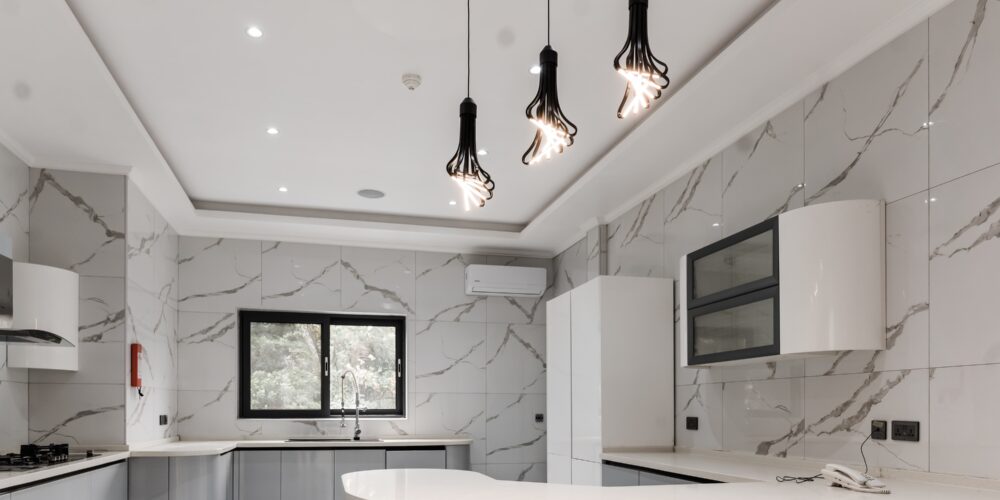
Eco-Friendly Modern Kitchen Materials: Combining Sustainability and Style
As the world embraces sustainable practices, the demand for eco-friendly materials in modern kitchen design has soared. Homeowners are now seeking kitchen materials that not only exude style and sophistication but also prioritize environmental consciousness. In this blog post, we’ll explore a selection of eco-friendly modern kitchen materials that allow you to create a stunning kitchen while treading lightly on the planet.
1. Bamboo Countertops
Bamboo is a highly renewable resource, making it an excellent eco-friendly choice for kitchen countertops. It grows rapidly and requires minimal resources to thrive, making it a sustainable alternative to traditional wood materials. Bamboo countertops offer natural beauty, strength, and durability, making them a versatile and eco-conscious option for the modern kitchen.
2. Recycled Glass Surfaces
Recycled glass surfaces are an innovative way to transform waste into stunning kitchen countertops. These surfaces are created by combining crushed glass with a binder, resulting in a visually striking and eco-friendly material. By choosing recycled glass surfaces, you not only reduce waste but also create a unique focal point in your kitchen design.
3. Cork Flooring
Cork is a renewable and biodegradable material harvested from the bark of cork oak trees. The harvesting process does not harm the trees, which continue to grow and produce more cork. Cork flooring is comfortable to walk on, naturally antimicrobial, and provides excellent insulation. Its eco-friendly properties make it a popular choice for eco-conscious homeowners.
4. Reclaimed Wood
Using reclaimed wood for kitchen cabinetry, countertops, or flooring is an eco-friendly way to infuse warmth and character into the kitchen. Reclaimed wood is salvaged from old buildings, barns, or other sources, giving it a rustic and authentic charm. By repurposing wood that would otherwise go to waste, you contribute to sustainable building practices and add a touch of history to your kitchen.
5. Recycled Metal Backsplashes
Recycled metal backsplashes, such as stainless steel or copper, offer a contemporary and eco-friendly element to the kitchen. These metals can be recycled repeatedly without losing their quality, making them a sustainable choice. Additionally, metal backsplashes are easy to clean and maintain, making them a practical addition to any eco-friendly kitchen.
6. Paper Composite Countertops
Paper composite countertops are an eco-friendly alternative to traditional solid surface materials. These countertops are made from recycled paper fibers and a non-toxic resin, resulting in a durable and visually appealing surface. Paper composite countertops are available in various colors and patterns, offering flexibility in design while being kind to the environment.
7. Low-VOC Paints and Finishes
Choosing low-VOC (volatile organic compounds) paints and finishes for kitchen cabinets and walls helps minimize indoor air pollution. These eco-friendly alternatives release fewer harmful chemicals into the air, promoting a healthier and more sustainable living environment.
8. Sustainable Flooring Options
In addition to cork flooring, other sustainable flooring options like linoleum, bamboo, and reclaimed wood are eco-friendly choices for the modern kitchen. These materials are biodegradable, renewable, and manufactured using environmentally responsible practices.
9. Energy-Efficient Appliances
While not a traditional kitchen material, energy-efficient appliances play a crucial role in creating an eco-friendly kitchen. Opt for appliances with high energy efficiency ratings to reduce electricity consumption and minimize your carbon footprint.
10. Concrete Surfaces with Recycled Content
Concrete countertops and surfaces with recycled content are a stylish and sustainable choice for modern kitchens. By incorporating recycled materials like glass, porcelain, or even fly ash, you contribute to waste reduction while enjoying the durability and versatility of concrete.
11. Organic Cotton Textiles
Incorporating organic cotton textiles into your kitchen, such as tablecloths, napkins, and dish towels, adds a touch of eco-friendliness to the space. Organic cotton is grown without harmful pesticides and chemicals, making it a safer and more sustainable option for kitchen linens.
12. Salvaged or Vintage Fixtures
Choosing salvaged or vintage fixtures for lighting and hardware not only adds a unique charm to your kitchen but also promotes sustainability. Repurposing old fixtures reduces the need for new manufacturing, conserving energy and resources.
13. Natural Stone Countertops
Opting for natural stone countertops, such as granite or soapstone, is a sustainable choice when sourced from responsible quarries. These materials are durable and long-lasting, reducing the need for frequent replacements and minimizing waste.
14. Energy-Efficient Windows
Energy-efficient windows not only contribute to a greener kitchen but also help reduce energy consumption throughout your home. Double-glazed or Low-E windows offer improved insulation, keeping your kitchen comfortable while saving energy on heating and cooling.
15. Green Appliances
Beyond energy efficiency, look for kitchen appliances with eco-friendly features, such as water-saving dishwashers and refrigerators with eco modes. Investing in green appliances can significantly reduce water and energy usage in your kitchen.
16. Sustainable Cabinetry
Opt for cabinetry made from sustainably sourced materials, such as FSC-certified wood or bamboo, and finished with low-VOC or water-based sealants. Choosing sustainable cabinetry ensures responsible forest management and reduces indoor air pollution.
17. Renewable Flooring
Select flooring materials that can be sustainably replenished, such as bamboo, cork, or linoleum. These materials are biodegradable and offer a wide range of design options to suit your kitchen style.
18. Energy-Efficient Ventilation
Ensure your kitchen is equipped with energy-efficient ventilation systems to improve indoor air quality and reduce energy consumption. Proper ventilation enhances air circulation and minimizes the need for excessive heating or cooling.
19. Solar-Powered Lighting
Consider incorporating solar-powered lighting options in your kitchen to harness natural energy from the sun. Solar-powered lights can be used for outdoor kitchens or to illuminate windows, reducing the need for conventional electrical lighting during daylight hours.
20. Compost and Recycling Stations
Creating designated compost and recycling stations within your kitchen encourages sustainable waste management. Installing built-in compost bins and recycling containers makes it convenient for you and your family to dispose of waste responsibly.
Conclusion: Creating a Sustainable Kitchen Oasis
In conclusion, eco-friendly modern kitchen materials present a vast array of choices that allow homeowners to curate a kitchen space that aligns with their values of sustainability and style. From renewable flooring options to energy-efficient appliances, each eco-friendly element contributes to a greener kitchen and a brighter future for our planet.
As you embark on your kitchen renovation or design project, embrace these eco-conscious materials and practices to create a sustainable kitchen oasis that not only enhances your daily living but also reflects your commitment to environmental stewardship.