
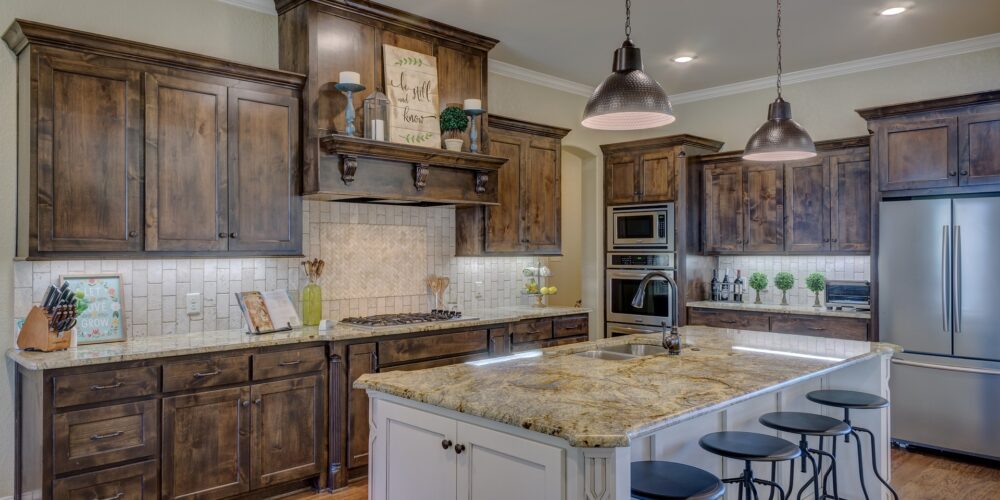
Kitchen Cabinet Layout for Efficient Workflow: Designing Your Dream Culinary Space
The kitchen is the heart of any home, and its layout plays a crucial role in the overall functionality and efficiency of the space. A well-designed kitchen cabinet layout can significantly impact your daily cooking experience and streamline your workflow. In this blog, we will delve into essential tips and considerations for creating a kitchen cabinet layout that promotes an efficient and organized culinary space, allowing you to create your dream kitchen where culinary creativity flourishes and cherished memories are made.
Understanding the Kitchen Work Triangle
Before delving into the specifics of kitchen cabinet layout, it’s essential to understand the concept of the kitchen work triangle. The work triangle refers to the imaginary line that connects the three primary work areas in the kitchen: the cooking area (stove or cooktop), the preparation area (sink), and the storage area (refrigerator). The goal is to minimize the distance between these key points, allowing for smooth and effortless movement while cooking.
Tips for an Efficient Kitchen Cabinet Layout
1. Optimize Storage Space
Effective storage solutions are the backbone of an efficient kitchen. When planning your cabinet layout, consider the storage needs of your kitchen essentials, such as pots, pans, utensils, and ingredients. Utilize various cabinet types, such as base cabinets with deep drawers for pots and pans, pull-out shelves for easy access to spices and canned goods, and tall cabinets for storing brooms, mops, and other cleaning supplies. Customizable storage solutions, like dividers and trays, can keep your kitchen organized and clutter-free.
2. Embrace the Rule of Zones
Organize your kitchen into distinct zones based on function. Place the cooking zone near the stove or cooktop, the cleaning zone near the sink, and the food preparation zone near the countertop. This zoning approach ensures that everything you need for a particular task is within reach, minimizing unnecessary movement around the kitchen. The efficient flow between these zones will enable you to move effortlessly from one task to another, making cooking a breeze.
3. Prioritize Accessibility
Consider the ergonomics of your kitchen cabinet layout, especially when it comes to frequently used items. Install pull-out shelves, lazy Susans, and vertical dividers to maximize accessibility and visibility of stored items. This will prevent the need to bend or reach for items, reducing strain on your body during meal preparation. Additionally, consider the height of your cabinets to ensure that commonly used items are easily reachable for all family members.
4. Designate a Breakfast Station
If you have the space, create a dedicated breakfast station within your kitchen cabinet layout. Include a pull-out pantry for cereal and breakfast items, a toaster oven, and a coffee maker. This designated area will streamline your morning routine and keep breakfast essentials in one convenient spot. Having a dedicated breakfast station will also prevent unnecessary traffic in the main cooking and food preparation areas during the busy morning rush.
5. Incorporate Functional Lighting
Proper lighting is essential for a well-functioning kitchen. Install under-cabinet lighting to illuminate countertop work areas and inside cabinets for better visibility. Task lighting enhances safety and efficiency during meal preparation, ensuring accurate measurements and precise chopping. Additionally, consider installing pendant lights above the kitchen island or dining area to create a warm and inviting ambiance.
6. Balance Form and Function
While the functionality of your kitchen is paramount, don’t neglect the aesthetic aspect. Balance form and function by choosing cabinet styles and finishes that complement your kitchen’s overall design. Whether you prefer modern, traditional, or transitional styles, ensure that your cabinet layout harmonizes with the overall decor. The right cabinet styles and finishes can elevate the visual appeal of your kitchen and create a cohesive and inviting space.
7. Consider the Traffic Flow
Plan your cabinet layout with traffic flow in mind. Leave ample space between cabinets and appliances to allow smooth movement throughout the kitchen, especially during busy cooking sessions or gatherings. A clutter-free and spacious kitchen promotes a more enjoyable cooking experience and prevents unnecessary collisions or bottlenecks during meal preparation.
8. Personalization and Flexibility
Your kitchen cabinet layout should be a reflection of your lifestyle and culinary preferences. Consider your cooking habits and storage needs when designing the layout. For example, if you love baking, dedicate a specific cabinet for baking supplies and tools. If you enjoy entertaining, create a beverage station with a wine rack and glassware storage. The more personalized and tailored your kitchen cabinet layout is, the more you’ll enjoy spending time in your culinary space.
9. Consult with Professionals
Designing an efficient kitchen cabinet layout is a significant undertaking, and it’s essential to get it right. If you feel overwhelmed or unsure about the layout, consider consulting with a professional kitchen designer or an interior designer with experience in kitchen design. They can offer valuable insights, suggest innovative solutions, and help you optimize your kitchen space to suit your lifestyle and preferences.
Conclusion
In conclusion, creating an efficient kitchen cabinet layout involves careful planning, thoughtful consideration of your needs, and a touch of personalization. From optimizing storage space and prioritizing accessibility to incorporating functional lighting and maintaining a clutter-free environment, every decision contributes to the overall success of your kitchen design. By consulting with professionals and exploring various design options, you can transform your kitchen into a space that not only inspires your culinary creations but also brings joy to your everyday life. Let your kitchen be a reflection of your passion for cooking and a welcoming hub for creating treasured memories with loved ones.