
Exploring Modern Kitchen Color Psychology: Creating Emotionally Resonant Spaces
Colors have the remarkable ability to influence our emotions, thoughts, and perceptions. When it comes to your modern kitchen design, choosing the right color palette can significantly impact the atmosphere and overall feel of the space. In this blog post, we delve into the fascinating world of color psychology and its application in crafting a modern kitchen that resonates with your desired mood and style. Discover how different colors can evoke various emotions and create a harmonious and visually appealing environment.
1. Serene Blues and Greens:
Incorporating shades of blue and green in your modern kitchen can create a calming and serene ambiance. Light blues evoke feelings of tranquility and expansiveness, while deeper greens symbolize growth and balance. Consider using these colors for cabinetry, backsplashes, or accent pieces to infuse a sense of peacefulness.
2. Energetic Reds and Oranges:
Warm colors like reds and oranges can inject energy and excitement into your kitchen design. These hues are known to stimulate appetite and conversation, making them ideal for social and gathering spaces. Incorporate them through vibrant accessories, decorative elements, or even a bold accent wall.
3. Soothing Neutrals:
Neutral tones like soft grays, muted beiges, and warm whites provide a versatile backdrop for a modern kitchen. Neutrals create a sense of balance and harmony while allowing other design elements, such as textures and materials, to shine. Use them as a base for cabinets, countertops, and flooring.
4. Playful Yellows:
Yellow is associated with positivity, happiness, and creativity. Infuse a cheerful vibe into your kitchen by introducing pops of yellow through decor, small appliances, or even a sunny backsplash. Just be cautious not to overuse it, as excessive yellow can be overwhelming.
5. Elegant Blacks and Grays:
Black and gray tones exude sophistication and elegance in a modern kitchen. These colors are often used for sleek appliances, countertops, and fixtures. When balanced with contrasting elements, they create a contemporary and polished look.
6. Invigorating Brights:
For those who crave a bold and vibrant atmosphere, consider incorporating bright and unconventional colors like teal, coral, or electric blue. These hues inject personality and a sense of adventure into your kitchen, making it a unique and inviting space.
7. Calming Purples:
Purple is associated with creativity, spirituality, and luxury. Lighter shades like lavender bring a sense of calmness, while deeper purples add a touch of opulence. Use purple as an accent color through accessories, barstools, or lighting fixtures.
8. Earthy Naturals:
Inspired by nature, earthy tones like warm browns, deep greens, and rusty oranges create a grounded and organic atmosphere. These colors work well in modern kitchens that seek a connection to the outdoors and a sense of rustic charm.
9. Clean Whites:
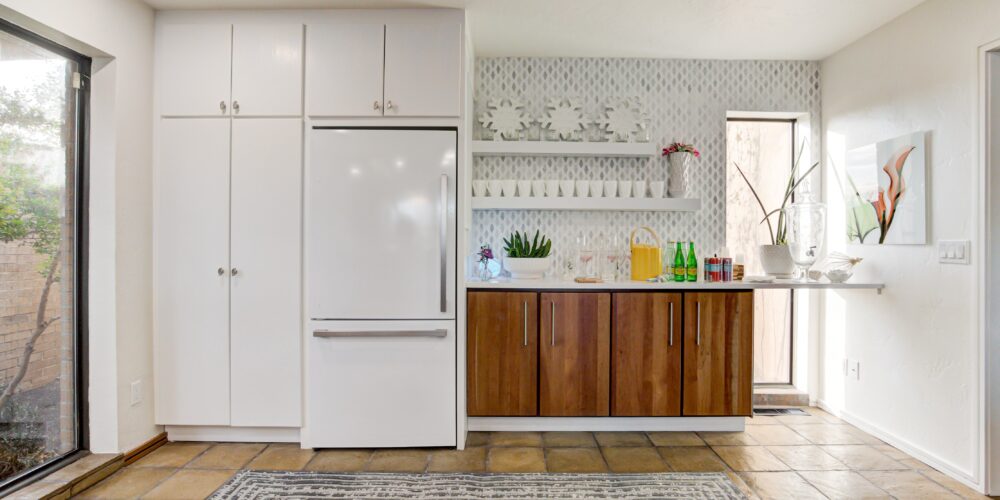
White is synonymous with purity and cleanliness. It opens up the space, making it feel airy and expansive. Use white as a primary color for cabinets, walls, and countertops to achieve a minimalist and contemporary look.
10. Contrasting Combinations:
Experiment with color combinations to create contrast and visual interest. For instance, pairing a deep navy with a crisp white can result in a timeless and classic aesthetic. Similarly, combining complementary colors like blue and orange or green and red can create a dynamic and energetic atmosphere.
Conclusion
In conclusion, understanding the psychology of color is a powerful tool for crafting a modern kitchen that resonates with your desired emotions and intentions. Whether you aim to create a relaxing retreat, an energetic gathering space, or a harmonious sanctuary, the right color palette can transform your kitchen into an emotionally resonant environment. By harnessing the psychological impact of color, you can design a modern kitchen that not only looks stunning but also feels inviting and evokes the desired mood for your culinary and social experiences.