
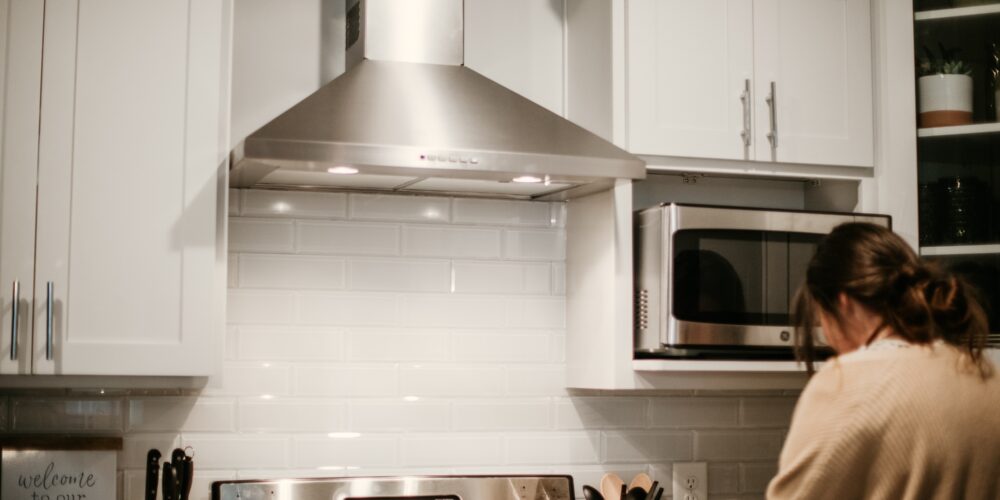
Designing a Multifunctional Modern Kitchen for Today’s Lifestyle
In today’s fast-paced world, the kitchen has evolved from being a mere cooking space to the heart of the home – a multifunctional hub where cooking, dining, working, and socializing seamlessly coexist. Modern kitchen design has responded to this shift by embracing innovative layouts, versatile features, and adaptable furnishings that cater to the demands of multifunctional living. This blog explores the key elements of a modern kitchen designed to enhance your daily life, accommodate various activities, and create a harmonious balance between functionality and aesthetics.
1. Open-Concept Layouts:
Open-concept kitchen designs eliminate barriers between the kitchen and living areas, promoting better communication and fluid movement. An open layout encourages interaction with family members and guests while cooking, allowing you to be part of the conversation.
2. Flexible Island Design:
Kitchen islands serve as multifunctional workspaces. Opt for an island with a built-in breakfast bar or workspace to accommodate quick meals, remote work, or children’s homework.
3. Integrated Appliances:
Modern kitchens seamlessly incorporate appliances like refrigerators, ovens, and dishwashers into cabinetry, creating a cohesive and streamlined look. This integration maximizes space and ensures appliances blend harmoniously with the kitchen’s overall design.
4. Smart Storage Solutions:
Ample storage is crucial for a multifunctional kitchen. Pull-out pantry shelves, vertical storage racks, and deep drawers keep your kitchen organized, making it easy to store cookware, utensils, and groceries.
5. Versatile Lighting:
Layered lighting with task, ambient, and accent lights ensures the kitchen is well-lit for various activities. Pendant lights above the island, under-cabinet lighting, and adjustable fixtures offer both functionality and ambiance.
6. Hybrid Seating Areas:
Integrate seating areas within the kitchen, such as a banquette with storage or a cozy nook for reading. This creates a versatile space where family members can gather, eat, or relax.
7. Multi-Functional Appliances:
Consider appliances that serve multiple purposes, such as a combination microwave-convection oven or a range with a griddle and grill. These appliances save space and expand your cooking options.
8. Hidden Workstations:
Incorporate concealed workstations that can be easily tucked away when not in use. This allows you to set up a temporary office space for remote work or school tasks without disrupting the kitchen’s aesthetics.
9. Thoughtful Materials:
Choose durable and easy-to-maintain materials for countertops, flooring, and cabinetry. This ensures your kitchen can handle various activities without sacrificing style.
10. Seamless Technology Integration:
Install outlets and charging stations in convenient locations to keep devices powered. Smart speakers or touchscreens can also be integrated for voice commands and quick access to recipes.
11. Expandable Dining Areas:
Design a dining area that can be expanded when hosting guests. Folding tables, extendable dining tables, and stackable chairs are excellent options for accommodating varying group sizes.
12. Multi-Zone Cooking:
If space allows, create different cooking zones for various tasks. For instance, a baking station with a stand mixer, a coffee station, and a prep area can coexist harmoniously.
13. Nature Integration:
Bring the outdoors in by incorporating plants and herbs. A small indoor herb garden or potted plants can enhance air quality and add a touch of nature to your kitchen.
14. Entertainment Integration:
Consider a built-in media center or a designated space for a TV screen. This allows you to follow cooking tutorials, enjoy your favorite shows, or catch up on news while preparing meals.
15. Sustainable Practices:
Integrate eco-friendly features such as composting bins, energy-efficient appliances, and reusable storage solutions. This not only supports a sustainable lifestyle but also contributes to a healthier environment.
16. Dynamic Furniture Arrangements:
Opt for modular furniture or movable pieces that can be rearranged to accommodate different activities. This flexibility ensures your kitchen can adapt to changing needs and preferences.
17. Customized Zones:
Designate specific zones for various functions, such as a beverage station, a baking corner, or a study nook. Each zone can be equipped with the necessary tools and supplies, making it easy to transition between activities.
18. Interactive Cookbooks and Apps:
Embrace technology by using interactive cookbooks and cooking apps that provide step-by-step guidance, video tutorials, and meal planning assistance. These tools can enhance your culinary skills and inspire new dishes.
19. Multi-Generational Design:
Create a kitchen that caters to all generations living under one roof. Consider features like adjustable countertops, accessible storage, and safe cooking areas for children and seniors.
20. Wellness-Oriented Spaces:
Incorporate wellness-focused elements, such as a dedicated smoothie bar, a meditation corner, or a space for yoga. This encourages a healthy lifestyle and promotes overall well-being.
21. Home Office Integration:
Design a workspace within your kitchen where you can manage household tasks, pay bills, and work on projects. This convenient setup ensures you can stay productive while overseeing daily activities.
22. Smart Home Integration:
Connect your kitchen appliances, lighting, and entertainment systems to a smart home ecosystem. This integration enables you to control and monitor various functions through voice commands or smartphone apps.
23. Family Message Center:
Incorporate a central area for leaving notes, scheduling activities, and displaying artwork. A chalkboard or magnetic board can serve as a creative space for family communication.
24. Recreational Elements:
Create a space for recreational activities like board games, puzzles, or crafting. This adds a playful dimension to your kitchen and encourages quality time with loved ones.
25. Reflection of Personal Style:
Above all, ensure your modern kitchen reflects your personal style and preferences. Incorporate colors, patterns, and decor that resonate with you, making the space a true reflection of your lifestyle.
In conclusion, designing a modern kitchen for multifunctional living requires thoughtful planning and creative solutions. By incorporating the mentioned elements, you can create a dynamic and versatile space that caters to various activities and enhances your daily life. A well-designed kitchen not only meets your practical needs but also nurtures a sense of connection, comfort, and joy within your home.