
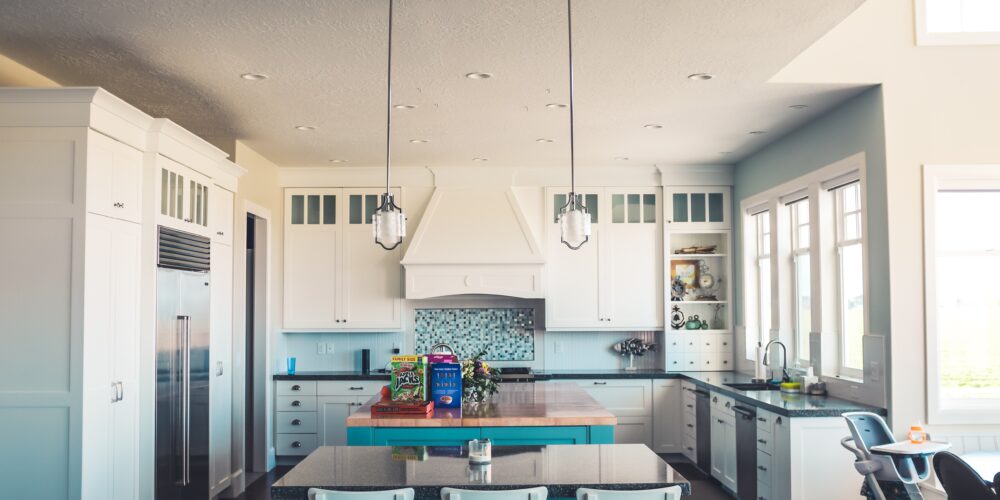
Modern Kitchen Layout and Space Planning: Designing Your Culinary Oasis
When it comes to modern kitchen design, layout and space planning play a crucial role in creating a functional and visually appealing culinary oasis. The kitchen is no longer just a place for preparing meals; it has evolved into a social hub and a multi-functional space for various activities. Whether you’re remodeling your existing kitchen or designing one from scratch, careful consideration of the layout and space planning is essential. In this blog post, we’ll explore some key elements of modern kitchen layout and space planning that will help you create the kitchen of your dreams.
1. Embrace the Open-Concept Design
Modern kitchen design often revolves around an open-concept layout that seamlessly connects the kitchen with other living spaces, such as the dining area or the living room. An open-concept design fosters a sense of spaciousness and encourages social interaction, making it ideal for families and entertaining guests. To achieve this layout, consider removing non-load-bearing walls or using half walls or kitchen islands to delineate the kitchen space while maintaining an open feel.
2. Create a Functional Work Triangle
The work triangle is a classic principle of kitchen design that optimizes the workflow between the three main work areas: the refrigerator, the sink, and the cooking range. For a modern kitchen, consider creating a functional work triangle that allows for easy movement between these areas. The goal is to minimize the distance between them while avoiding any obstructions, ensuring a smooth and efficient cooking experience.
3. Incorporate a Kitchen Island
A kitchen island is a versatile and practical addition to any modern kitchen. It serves as a central focal point, providing extra countertop space for food preparation, additional storage, and a casual dining area. A well-designed kitchen island can also accommodate appliances like a cooktop or a wine fridge, making it a multi-functional workstation. Choose a sleek and contemporary design for the island that complements the overall style of your kitchen.
4. Optimize Storage with Custom Cabinetry
In modern kitchen design, clean lines and clutter-free surfaces are paramount. Custom cabinetry is an excellent way to optimize storage while maintaining a sleek and streamlined look. Consider floor-to-ceiling cabinets that maximize vertical space or handleless cabinets that create a seamless and modern aesthetic. Incorporate pull-out drawers and organizers to keep your kitchen essentials organized and easily accessible.
5. Integrate Smart Appliances and Technology
Incorporating smart appliances and technology is a hallmark of modern kitchen design. Smart appliances offer convenience and efficiency, allowing you to control and monitor them remotely. For instance, a smart oven can be preheated from your smartphone, and a smart fridge can create shopping lists or alert you when you’re running low on certain items. Integrating smart technology enhances the functionality of your kitchen and brings it into the future.
6. Prioritize Natural Light
Ample natural light can brighten up your modern kitchen and create an inviting and airy atmosphere. Consider maximizing windows and incorporating skylights or light wells to bring in more natural light. If privacy is a concern, use frosted glass or sheer curtains to maintain the openness while ensuring some level of seclusion. Well-placed artificial lighting can also enhance the overall illumination and ambiance of your kitchen.
7. Define Zones for Different Activities
Modern kitchens are often multi-functional spaces that cater to various activities beyond cooking. Consider defining specific zones for different activities, such as a breakfast nook, a coffee station, or a study area. This zoning helps in organizing the space and ensuring that each area serves its purpose efficiently. Add stylish and functional furniture to each zone to make it more inviting and conducive to the intended activities.
8. Incorporate Sustainable Materials
Sustainability is a significant aspect of modern kitchen design. Opt for eco-friendly and sustainable materials for your countertops, cabinets, and flooring. Recycled glass or bamboo countertops, reclaimed wood cabinetry, and low-VOC finishes are excellent choices for an eco-conscious kitchen. Not only do these materials contribute to a greener environment, but they also add a touch of natural warmth and character to your kitchen.
9. Maximize Vertical Storage
In modern kitchen design, every inch of space counts. Utilize vertical storage to make the most of your kitchen’s height. Install open shelves or tall cabinets on empty walls to store items that you frequently use or display your favorite kitchenware. Vertical storage not only provides functional storage solutions but also adds visual interest and an opportunity for personalization.
10. Incorporate Seamless Transitions
Lastly, ensure that your modern kitchen layout seamlessly transitions into other adjacent spaces. Whether it’s the dining area, living room, or outdoor patio, consider design elements that create a harmonious flow from one space to another. Cohesive flooring materials, consistent color palettes, and shared design elements help tie the different areas together, creating a unified and contemporary living environment.
Conclusion: Design Your Dream Kitchen
In conclusion, modern kitchen layout and space planning are essential aspects of creating a culinary oasis that meets your functional needs and design preferences. Embrace the open-concept design, create a functional work triangle, incorporate a kitchen island, and optimize storage with custom cabinetry. Integrate smart appliances and technology, prioritize natural light, and define zones for different activities. Incorporate sustainable materials, maximize vertical storage, and ensure seamless transitions to adjacent spaces. With careful planning and attention to detail, you can design your dream modern kitchen that is both aesthetically pleasing and functionally efficient.